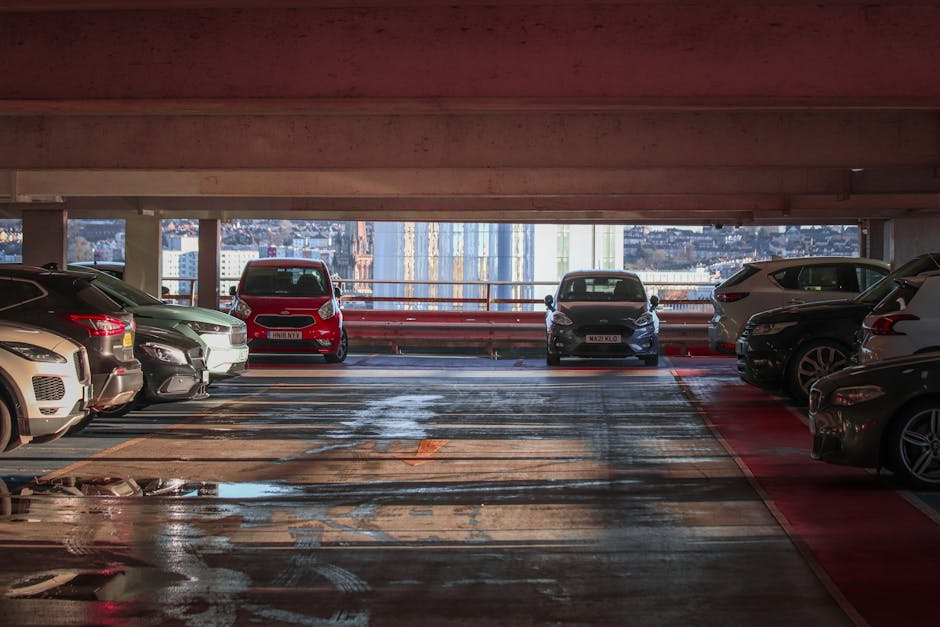
If you are moving house in Barnet, parking can become the bit that quietly causes the most stress. The boxes are packed, the van is booked, the kettle is half-wrapped in bubble wrap, and then you realise the removal lorry cannot simply stop outside the front door. That is where What to know about Barnet Council parking for removals really matters. A little planning here can save time, avoid delays, and reduce the risk of a fine or a very awkward unload on a busy street.
This guide walks through how parking arrangements usually work for removals in Barnet, what to check before moving day, the common pitfalls people miss, and how to keep the whole thing calm. In our experience, the people who deal with parking early tend to have a far less fraught move. Not glamorous, but true.
Table of Contents
- Why Barnet Council parking for removals matters
- How parking for removals usually works
- Key benefits and practical advantages
- Who needs this and when it makes sense
- Step-by-step guidance
- Expert tips for better results
- Common mistakes to avoid
- Tools, resources and recommendations
- Law, compliance and best practice
- Options and comparison
- Case study example
- Practical checklist
- Conclusion
- Frequently asked questions
Why Barnet Council parking for removals Matters
Removal day has a habit of exposing every awkward bit of street parking you forgot about. In Barnet, that can mean controlled parking zones, permit bays, single yellow lines, loading restrictions, or roads that feel just wide enough until a large van arrives. If you do not plan for those restrictions, your team may have to carry heavy furniture farther than expected, work slower, or keep circling the block while your sofa sits in the rain. Nobody wants that.
Parking matters for three simple reasons. First, it affects access: the closer the vehicle can stop, the quicker and safer the move. Second, it affects compliance: even a short stop in the wrong place can cause penalties. Third, it affects cost: more walking, more waiting, and more time on the clock can all increase the final bill for your move. That is especially relevant for busy London streets where a few extra minutes can snowball into a full delay.
There is also a trust issue. If a mover says, "Don't worry, we'll sort parking on the day," that may sound reassuring, but it can be a bit too casual for a borough like Barnet. Better to know the plan before the first box leaves the hallway. To be fair, it is one of those tasks that feels small right up until it becomes the biggest headache of the morning.
Expert summary: For removals in Barnet, the safest approach is to treat parking as part of the move itself, not as an afterthought. Confirm the stopping location, check restrictions, and allow enough lead time for any permissions or practical workarounds.
How Barnet Council parking for removals Works
Parking for removals usually depends on the exact street, the size of the vehicle, and the time of day. In practice, there are a few common routes to make it work. You may be able to use a resident bay, arrange a temporary bay suspension, use a loading area if permitted, or rely on short-term stopping where restrictions allow it. The right option depends on what is already marked on the road and what the council allows in that location.
It helps to think of it in layers. The street itself may have parking controls. The building may have access constraints. And the removal vehicle may need a certain amount of space to park safely without blocking traffic or crossing dropped kerbs. One layer may be fine on its own; together, they can become complicated very quickly.
Here is the basic logic most people follow:
- Check the parking rules for the exact road and time of day.
- Decide whether the removal vehicle can legally stop there.
- Ask whether a bay suspension or special arrangement is needed.
- Make sure the driver and the movers know the plan.
- Keep a backup option in case the main space is occupied.
If your move involves a large van, a shared driveway, a tight terrace street, or a flat above shops, it becomes even more important to plan. The council rules are only part of the story; the real-world conditions matter just as much. A nice wide road on paper can feel surprisingly narrow once a double mattress appears.
For households wanting wider support around the move itself, it can also help to review practical pages such as pricing and quotes, insurance and safety, and health and safety guidance. Those details may not sound exciting, but they do matter on the day.
Key Benefits and Practical Advantages
Getting the parking side right gives you more than convenience. It tends to make the whole removal feel more controlled, which is a welcome feeling when your hallway is full of boxes and someone is asking where the tea bags have gone.
- Faster loading and unloading: The closer the van can park, the fewer steps and trips are needed.
- Less strain on movers: Shorter carries reduce the chance of damage to furniture and floors.
- Lower risk of disruption: A properly chosen parking spot is less likely to create tension with neighbours or other road users.
- Better timekeeping: Removal schedules work more smoothly when parking is settled in advance.
- Fewer compliance worries: You are less likely to end up guessing whether the stop was allowed.
There is a quieter benefit too: peace of mind. Once parking is sorted, the day feels less fragile. People move more confidently. The team can focus on wrapping, lifting, and carrying instead of scanning the street for traffic wardens. That alone can change the atmosphere.
For families, older residents, or anyone with a tight timeslot, this matters even more. Even a ten-minute delay can throw off childcare, lift access, handover timing, or cleaning schedules. A simple parking plan is often the difference between a smooth handover and a mildly chaotic one. We have all seen the latter, and honestly, nobody remembers it fondly.
Who This Is For and When It Makes Sense
Most people moving in Barnet will benefit from thinking about parking, but some situations make it essential rather than optional. If any of these sound familiar, you should plan early.
- You are moving from or to a busy residential street.
- Your property is in a controlled parking zone or permit area.
- You live in a flat, maisonette, or converted building with limited access.
- The move involves a larger van, lorry, or multiple vehicles.
- You have heavy furniture, fragile items, or a full household load.
- The building has timed access, concierge rules, or shared entrances.
- You need the move to happen within a narrow time window.
This is also relevant for landlords, letting agents, property managers, and anyone coordinating an end-of-tenancy handover. If the outgoing and incoming occupiers overlap, parking can be a surprisingly delicate topic. One vehicle in the wrong place can frustrate neighbours, block a drive, or slow down both moves at once. Not ideal.
Commercial movers and small businesses relocating premises in Barnet face similar challenges. Deliveries, staff parking, customer access, and loading space all need a plan. The principles are the same, but the stakes are often higher because business continuity matters too.
Step-by-Step Guidance
If you want a simple way to handle parking for removals in Barnet, follow this sequence. It is not flashy, but it works.
1. Identify the exact pickup and drop-off streets
Do not just rely on the postcode. Parking rules can change from one side of a road to the other. Check the precise street name, building number, and access point. If the vehicle must use a rear entrance, service road, or shared forecourt, note that too.
2. Check what restrictions already exist
Look at whether the road uses resident bays, pay-and-display spaces, yellow lines, loading bays, or timed restrictions. If you are not certain how the marking works, ask the property owner, managing agent, or the removal company for an extra set of eyes. A quick photo of the bay sign can save a lot of back and forth. Yes, even the sign that looks boring. Especially that one.
3. Decide if a special parking arrangement is needed
If the van cannot legally stop close enough, or if the street is too busy to rely on chance, a temporary arrangement may be worth considering. That could involve a bay suspension or another council-approved option, depending on local rules. The key point is not to assume that "just a few minutes" will be fine. Councils tend not to see it that way, and honestly, you can see why.
4. Build in time for arrival and set-up
Do not schedule everything to the minute. Give the team enough time to position the vehicle, assess access, and start carefully. Removal days often begin with someone being a little late, a lift taking longer than expected, or a neighbour blocking the only decent space. That is normal. Leave room for it.
5. Share the parking plan clearly
Make sure everyone involved knows where the vehicle can stop, who will meet the driver, and what the backup plan is. If the move spans several hours, remind people not to "just pop out and move the cone" or leave the space exposed. A space needs guarding like a picnic table at 8:00 am on a sunny bank holiday. You know the vibe.
6. Check the plan again the day before
Parking can change overnight because of roadworks, events, local works, or another car using the space. A final check the evening before and again on the morning of the move is sensible. Nothing dramatic, just one last look.
If you want to speak with a moving team about the practical side of the day, use the contact page to ask the right questions early. That usually leads to better planning than leaving it to chance.
Expert Tips for Better Results
Here are the details that often make a move run better. They are small, but small things add up fast.
- Measure the space properly: A vehicle may fit in theory, but if the doors cannot open or the ramp cannot extend, the spot is not really usable.
- Think about the walking route: Smooth pavement, steps, and door thresholds matter almost as much as the parking space itself.
- Use cones or a trusted spot-holder only where appropriate: This can help, but it should never be used to block a space unlawfully or create a dispute.
- Have a wet-weather plan: Rain changes everything. Boxes get heavier, floors get slippery, and time disappears quickly.
- Keep the most needed items separate: Parking delays are less stressful when essentials are easy to access.
- Ask about building rules early: Some blocks have strict loading windows or service access rules that matter more than the road itself.
Another useful tip: if the van has to stop a little further away than ideal, make sure the crew knows where the shortest and safest carry route is. People often focus on the vehicle and forget the path from van to front door. That path is the real work.
Also, if you are trying to keep the move efficient and cost-conscious, it helps to understand the company's approach to quotes and pricing. Parking access, labour time, and distance moved all tend to affect the overall value of the job.
Common Mistakes to Avoid
Most parking problems on removal day are not caused by bad luck. They are caused by one small thing being overlooked. The good news? Most are easy to avoid.
- Assuming the street is fine because it looked empty yesterday. Parking availability changes constantly.
- Forgetting about loading restrictions. A bay that looks convenient may still not be suitable for a removal vehicle.
- Not checking the time window. Some spaces are fine only at certain times.
- Using the wrong entrance. Rear access, side access, or a service road may be required.
- Leaving parking until the morning of the move. By then, options can be limited.
- Not telling neighbours or the building manager. Small courtesies can prevent awkward complaints.
- Ignoring height or width limitations. This matters more than many people expect.
One of the more common mistakes, truth be told, is assuming the mover will handle everything automatically. Experienced teams can help, of course, but they still need accurate information. If the access is tight or the street is controlled, they need that detail up front. Otherwise, everyone is improvising, and improvising with furniture rarely feels elegant.
If you ever have concerns about service standards or the way a job is handled, it is wise to understand the company's terms and conditions and complaints procedure. That is not being difficult; it is being sensible.
Tools, Resources and Recommendations
You do not need a complicated toolkit to manage parking for removals, but a few basics help a lot.
| Tool or resource | Why it helps | Best time to use it |
|---|---|---|
| Property photos | Show the exact entrance, frontage, and available space | When planning the job |
| Street sign photos | Capture loading times and permit details | A few days before moving day |
| Simple checklist | Keeps everyone aligned on timing and access | During planning and the day before |
| Contact details for the mover | Lets you update the team if the parking picture changes | Always |
| Building manager or landlord notes | Useful for access rules, lifts, or service areas | Before confirming the schedule |
It is also worth reviewing the business's support pages if you want a clearer sense of how things are handled behind the scenes. For example, the about us page gives context about the company, while the insurance and safety page helps you understand the precautions in place. If you value transparency, those pages matter more than people often admit.
For customers who care about how their move is managed from start to finish, the recycling and sustainability page can also be useful, especially if the move involves unwanted items, packing waste, or decisions about reuse and disposal.
Law, Compliance, Standards, or Best Practice
Parking on public roads is not just a logistics issue; it is a compliance issue too. You should always follow the local restrictions that apply to the street, the bay, and the time of day. If a space is controlled, do not assume a quick stop is harmless. Councils generally expect vehicle movements to respect their parking rules, signage, and loading conditions.
Best practice is straightforward:
- Check restrictions carefully rather than guessing.
- Keep the removal vehicle within the permitted area.
- Avoid blocking dropped kerbs, driveways, crossings, or junctions.
- Use approved parking arrangements where needed.
- Make sure the mover understands any access limitations.
If a property has shared access, communal areas, or management company rules, those can matter alongside council rules. In other words, parking compliance is often a mix of public street rules and private building rules. That can sound annoying. It is annoying, frankly. But it is also manageable if you plan early.
From a safety perspective, good practice is equally important. Heavy lifting near traffic, narrow pavements, and wet surfaces all increase risk. Clear routes, sensible vehicle placement, and enough space to work properly make a noticeable difference. For that reason, many customers prefer to work with a mover that is open about procedures, insurance, and safety expectations rather than taking a vague "we'll be fine" approach.
Options and Comparison Table
There is more than one way to handle parking for a removal in Barnet. The right option depends on the road, the property, and the amount of time you have.
| Option | Best for | Advantages | Limitations |
|---|---|---|---|
| Use an existing legal bay | Quieter streets with available space | Simple, low admin, usually cheapest | May be occupied or too far from the property |
| Temporary bay suspension or similar arrangement | Controlled streets with limited access | More certainty, closer access | Requires planning and may not suit every location |
| Short legal loading stop | Brief pickups or drops with clear loading rules | Quick and practical if allowed | Often time-restricted and easy to misuse |
| Park further away and carry items | Properties with no nearby access option | Can still work without special arrangements | Slower, physically harder, more labour time |
For most household moves, the goal is not perfection. It is the most workable legal option that keeps the move safe and efficient. Sometimes that means a slightly longer carry. Sometimes it means arranging parking properly. Sometimes it means changing the loading plan by a few minutes. Flexible, but not casual.
Case Study or Real-World Example
Imagine a couple moving from a flat near a busy Barnet high street on a Friday morning. They originally planned to use the nearest space outside the building, but on the day it is already occupied and the road fills quickly. Without a backup, the van would have had to stop further away, adding several extra carries for heavy furniture and making the move feel rushed.
Instead, they checked the road layout the week before, confirmed the likely access point, and shared photos of the frontage with the removal team. They also allowed extra time for the vehicle to position safely. The result was not magical, just calm. The van parked legally, the team worked efficiently, and the awkward moment where everyone stands in the street pretending they are not stressed was mercifully brief.
The interesting part is that nothing dramatic happened. And that is the whole point. Good parking planning often looks uneventful from the outside because it prevented the drama in the first place.
Practical Checklist
Use this checklist in the days before your move. It is the kind of list that saves your future self from a headache.
- Confirm the full pickup and drop-off addresses.
- Check for controlled parking, loading restrictions, or resident bays.
- Photograph the road signs and frontage if needed.
- Ask whether the vehicle can legally stop close to the entrance.
- Confirm building access rules, lift bookings, and service entrance details.
- Share the parking plan with the removal team.
- Allow extra time for setup, delays, or occupied spaces.
- Prepare a backup option if the preferred space is unavailable.
- Keep the move-day contact numbers handy.
- Review the company's payment and security information if you want to avoid last-minute confusion about charges or settlement.
A simple checklist can feel almost too basic. But then the morning arrives, the street is busier than expected, and suddenly basic looks very smart indeed.
Conclusion
What to know about Barnet Council parking for removals comes down to one practical idea: do not leave parking as an afterthought. The more clearly you understand the street rules, access points, and timing issues, the smoother your move is likely to be. You will save time, reduce stress, and make the day far easier for everyone involved.
The good news is that this is not complicated once you break it into steps. Check the location, confirm the restrictions, plan the vehicle stop, and keep a fallback option ready. That is usually enough to avoid most of the common problems. And if you want help making the process more straightforward, it is worth working with a mover that values clear communication and proper planning from the start.
Get a free quote today and see how much you can save.
Moving day always has a bit of noise, a few nerves, maybe a missing box or two. But with the parking sorted, it feels much more human and manageable. That alone is worth the effort.
Frequently Asked Questions
Do I need special parking permission for removals in Barnet?
Not always. It depends on the street, the type of bay, and the time of day. Some properties can use an existing legal space, while others need a temporary arrangement. The safest approach is to check the exact location rather than assuming.
Can a removal van just stop in a loading bay?
Only if the bay and the time restrictions allow it. Loading bays are useful, but they are still controlled spaces. A quick stop that looks harmless can still be outside the rules.
How far in advance should I sort out parking for a move?
As early as possible. A few days may be enough for simple streets, but trickier locations need more planning. If you are in a controlled area or a busy road, earlier is better.
What if someone else parks in the space I planned to use?
That happens. It is one reason why a backup plan matters. You may need to use another legal space, adjust the arrival time, or change the carry route slightly.
Does parking affect the cost of a removal?
It can. If the vehicle cannot park close to the property, the move may take longer and require more carrying. That does not always mean a big change, but it is sensible to factor it in.
Are bay suspensions always available?
No, not always. Availability depends on the street and local conditions. If you think you may need one, ask about it early rather than assuming it can be arranged at short notice.
What details should I give the removal company about parking?
Give the full address, access point, road restrictions, bay type, height or width limits, and any building rules. Photos are often more useful than a long description, to be fair.
What happens if the van has to park farther away?
The move can still work, but it may take longer and involve more lifting. Clear communication and a sensible route from van to door make a big difference.
Should I tell neighbours before moving day?
If possible, yes. A small courtesy message can reduce friction, especially on tight streets where a van may temporarily affect access or parking.
How do I know if a street is suitable for removals?
Check the parking restrictions, width of the road, turning space, and distance to the entrance. A street may look suitable from a quick visit, but the details matter more than first impressions.
Is it worth paying more for a better parking plan?
Sometimes, yes. If the property is awkward or access is tight, spending a bit more on a proper plan can save time, stress, and the risk of avoidable disruption. That is usually money well spent.
Where can I ask about moving-day arrangements or service details?
You can use the contact page to ask about your move, then review the company's terms, privacy policy, and accessibility statement if you want a fuller picture of how the service is run.